When we talk about relations between Korea and Europe, we often imagine official summits, trade agreements, or institutional reports. Yes, those matter. But what truly interests me is what happens when we step down from the podium and look at everyday reality.
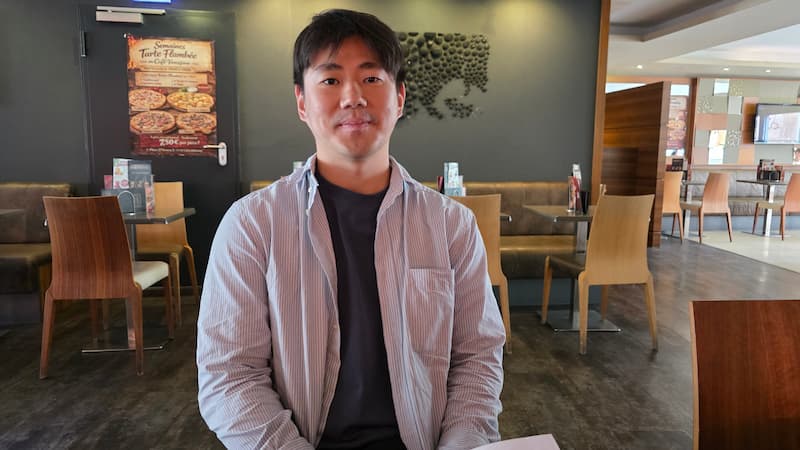
That’s where Yeongbin Lee comes in. A trilingual professional who spent significant time in Brussels building bridges between Korean and European institutions, Yeongbin has learned to navigate complex waters between two cultures with very different codes.
Beyond his impressive CV, what fascinates me is his personal story: that of a man who chose to anchor himself in the Greater Region, in Metz, while keeping his Korean identity deeply rooted within him.
Today, we put aside reports and meetings to have a real conversation.
Why leave Korea for Europe?
What still surprises him here, day after day?
And how does one build a life between two worlds?
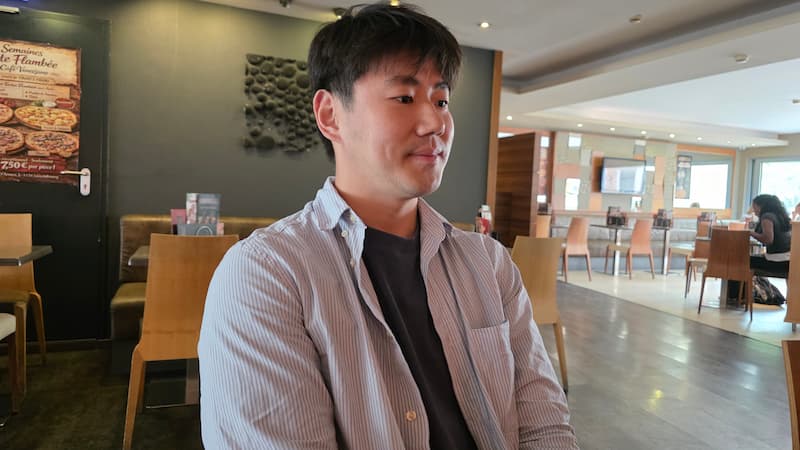
This article is the result of an exclusive one‑on‑one interview with Yeongbin Lee.
What motivated you to leave Korea for Europe?
"In Korea, after finishing high school, I didn’t really know what life path to follow or where I wanted to live. Instead of going straight to university, I decided to travel. During a month in China, I met many people from Europe, especially France and Germany. It made me want to go further and step outside Asia.
My parents always encouraged me to get a university degree, but once I became an adult, they let me choose freely. I decided to study French language at university. My interest began in high school, reading in the library: after reading Thérèse Raquin by Émile Zola, I wanted to read the original. Then I discovered Balzac, Camus, and Sartre, which deepened my interest in French culture. That discovery was the main motivation for studying French language and literature. After my military service, I resumed my studies and, with my professor’s advice, I made my plan to come to France a reality."
Was it a distant dream or an opportunity?
"It was an opportunity. When I arrived in France in August 2019, the first months were difficult: I didn’t speak the language yet, I was in Nancy, and the cultural barrier was real. Then the pandemic came. But after that period, I decided to stay and abandon my studies in Korea to restart a degree in France. That’s when I progressed and realized I felt more at home here.
Beyond learning the language, this expatriation became a real opportunity for growth. As a foreign student in Europe, I met people from many backgrounds and gained unique experiences. Europe is where I want to build my career, with a clear goal: working in international relations and business. In Korea, I felt like I was following a predetermined path. Here, I feel I can free myself from that pressure and find who I really am."
Are there things that seem normal now but felt strange at first?
"Age hierarchy is the biggest difference. In Korea, age dictates all relationships, making friendships between different age groups complicated. In Europe, it’s much simpler and more natural. At first, when French people spoke to me very casually, I was destabilized because I didn’t know how to position the relationship. Now, I appreciate this familial friendliness."
Do you ever feel 100% European?
"It’s paradoxical: in France, people constantly remind me that I’m Korean, but when I go back to Korea, they tell me I’m not fully Korean anymore. My sense of time has changed: my Korean friends now find me too slow, because in Korea everything must be efficient and fast. I’ve adopted the European rhythm, and I now see how stressful Korean society can be, even for simple things like meals."
Why do many Koreans return to Korea after living here?
"Safety is the main reason. In Korea, you can leave a package outside your door without fear or walk at night without feeling in danger. Here, it’s a daily concern. Many Korean women I know don’t feel safe going out alone at night."
What image of Korea would you like Europeans to keep, beyond K‑pop and K‑dramas?
"It’s good that Korean culture is more known, but I wish Europeans would go beyond K‑pop clichés. Many Koreans feel uncomfortable being reduced to that. It would be great to talk more about the country’s social realities: work issues, mental health, gender equality, economic inequalities. I wish Korea were treated like any other complex society, with real challenges."
한국과 유럽의 관계를 이야기할 때 우리는 종종 공식 정상회담, 무역 협정, 기관 보고서를 떠올립니다. 물론 그런 것들도 중요합니다. 하지만 제가 진정으로 관심 있는 것은 연단에서 내려와 일상 현실을 들여다볼 때 벌어지는 일들입니다.
바로 그 지점에서 이영빈이 등장합니다. 브뤼셀에서 상당한 시간을 보내며 한국과 유럽 기관 사이의 가교 역할을 해온 삼개 국어 구사자 이영빈은 서로 다른 규범을 지닌 두 문화 사이의 복잡한 물살을 헤쳐 나가는 법을 배웠습니다.
화려한 이력서 너머로 저를 매료시킨 것은 그의 개인적 이야기입니다. 그는 그랑드 레지옹, 메츠에 자리를 잡기로 선택한 사람으로서 한국적 정체성을 깊이 간직한 채 삶을 꾸려가고 있습니다.
오늘은 보고서와 회의를 제쳐두고 진짜 대화를 나눕니다.
왜 한국을 떠나 유럽을 선택했는가?
이곳에서 날마다 그를 놀라게 하는 것은 무엇인가?
그리고 두 세계 사이에서 삶을 어떻게 구축하는가?
이 글은 이영빈과의 단독 일대일 인터뷰를 바탕으로 작성되었습니다.
한국을 떠나 유럽으로 가게 된 동기는 무엇인가요?
"한국에서 고등학교를 마친 후 저는 어떤 삶의 길을 따라야 할지, 어디에 살고 싶은지 잘 몰랐습니다. 바로 대학에 진학하는 대신 여행을 하기로 했습니다. 중국에서 한 달을 보낼 때 저는 특히 프랑스와 독일 등 유럽에서 온 많은 사람들을 만났고, 그 경험은 저를 더 멀리 나아가 아시아 밖으로 나가고 싶게 만들었습니다.
부모님은 항상 대학 학위를 권장하셨지만, 제가 성인이 되자 자유롭게 선택하도록 허락해 주셨습니다. 저는 대학에서 프랑스어를 공부하기로 결정했습니다. 관심은 고등학교 도서관에서 시작되었습니다: 에밀 졸라의 '테레즈 라캥'을 읽고 원서를 읽고 싶어졌습니다. 이후 발자크, 카뮈, 사르트르를 접하면서 프랑스 문화에 대한 관심이 깊어졌습니다. 그 발견이 프랑스어와 문학을 공부하게 된 주요 동기였습니다. 군 복무를 마친 후 저는 학업을 재개했고 교수님의 조언으로 프랑스로 가겠다는 계획을 현실로 만들었습니다."
그것은 먼 꿈이었나요, 아니면 기회였나요?
"그것은 기회였습니다. 2019년 8월 프랑스에 도착했을 때 처음 몇 달은 힘들었습니다: 언어를 아직 못했고, 저는 낭시에 있었으며 문화적 장벽이 실감났습니다. 그리고 팬데믹이 닥쳤습니다. 하지만 그 시기를 지나고 저는 머물기로 결심했고 한국에서의 학업을 포기하고 프랑스에서 학위를 다시 시작했습니다. 그때 저는 발전을 느꼈고 이곳이 더 집처럼 느껴졌습니다.
언어를 배우는 것을 넘어 이 이주는 성장의 진정한 기회가 되었습니다. 유학생으로서 저는 다양한 배경의 사람들을 만났고 독특한 경험을 쌓았습니다. 유럽은 제가 경력을 쌓고 싶은 곳이며 명확한 목표가 있습니다: 국제 관계와 비즈니스 분야에서 일하는 것입니다. 한국에서는 정해진 길을 따르는 듯한 느낌이 들었지만, 이곳에서는 그 압박에서 벗어나 진정한 나를 찾을 수 있다고 느낍니다."
지금은 당연하게 느껴지지만 처음에는 낯설었던 것이 있나요?
"연령 서열이 가장 큰 차이입니다. 한국에서는 나이가 모든 관계를 규정하여 다른 연령대 간의 우정이 복잡해질 수 있습니다. 유럽에서는 훨씬 더 단순하고 자연스럽습니다. 처음에 프랑스 사람들이 매우 편하게 말할 때 저는 관계의 위치를 어떻게 잡아야 할지 몰라 당황했습니다. 이제는 이러한 가족 같은 친근함을 감사히 여기고 있습니다."
당신은 100% 유럽인이라고 느낀 적이 있나요?
"역설적입니다: 프랑스에서는 사람들이 끊임없이 제가 한국인임을 상기시키지만, 한국에 돌아가면 저는 더 이상 완전한 한국인이 아니라고 말합니다. 시간에 대한 감각이 바뀌었습니다: 한국 친구들은 이제 저를 너무 느리다고 느낍니다. 한국에서는 모든 것이 효율적이고 빠르게 진행되어야 하기 때문입니다. 저는 유럽의 리듬을 받아들였고, 식사 같은 단순한 일조차 한국 사회가 얼마나 스트레스가 많은지 이제 알게 되었습니다."
여기 살다가 많은 한국인들이 한국으로 돌아가는 이유는 무엇인가요?
"안전이 주요 이유입니다. 한국에서는 문 앞에 소포를 두고 가도 두려움이 없고 밤에 걷는 것도 위험을 느끼지 않습니다. 이곳에서는 그것이 일상적인 걱정거리입니다. 제가 아는 많은 한국 여성들은 밤에 혼자 외출하는 것을 안전하지 않다고 느낍니다."
K‑팝과 K‑드라마를 넘어서 유럽인들이 한국에 대해 어떤 이미지를 갖길 바라나요?
"한국 문화가 더 알려진 것은 좋지만, 유럽인들이 K‑팝의 고정관념을 넘어서길 바랍니다. 많은 한국인들이 그런 식으로 축소되는 것을 불편해합니다. 일자리 문제, 정신 건강, 성평등, 경제적 불평등 같은 사회적 현실에 대해 더 많이 이야기하면 좋겠습니다. 저는 한국이 다른 복합적인 사회들처럼 실제 문제들을 가진 사회로 다뤄지길 바랍니다."