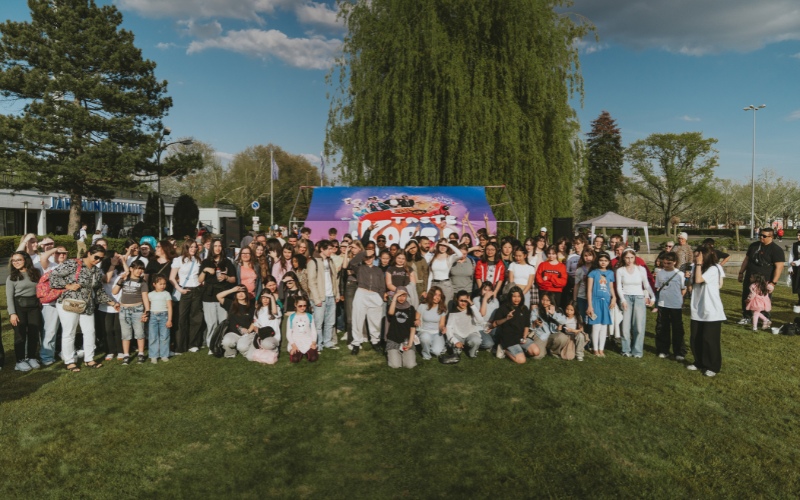
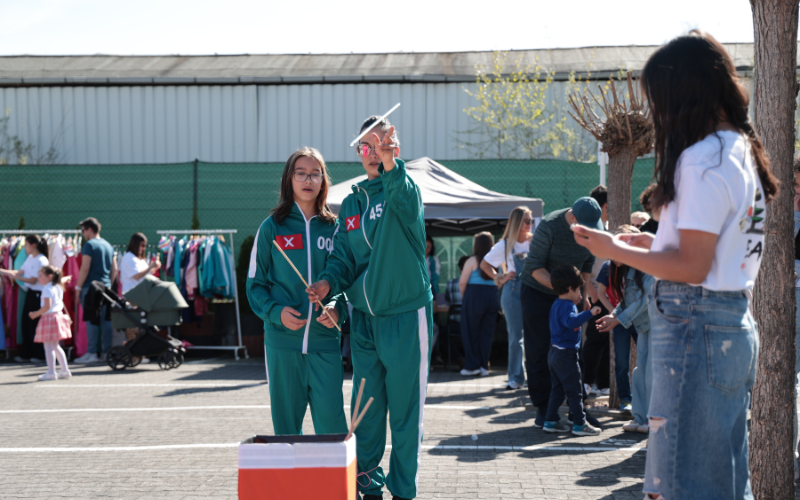
Taste of Korea Europe is one of those events you don't just visit—you experience. The festival does not simply showcase Korean culture on stage; it creates a space where families, children, and young people can discover, sample, and talk with one another. What began in 2022 as a modest school project has evolved into a vibrant meeting point where people from Germany and Korea meet and learn from each other.
Since its founding, the association Ich halte dich e.V. has pursued the goal of making cultural diversity visible and building bridges between both countries. Step by step, workshops and project weeks grew into a festival backed by an impressive network today: around 30 university students from South Korea travel to Europe every year as volunteers to shape the program together with local volunteers. This collaboration gives the festival a special warmth and authenticity that visitors can feel instantly on site.
On August 14 in Dietzenbach and August 15 in Hanau: Taste of Korea Europe returns. Visitors can look forward to a family festival combining traditional games, Korean food, language, traditional clothing, and modern culture like K-Pop. The focus here is not on big show effects, but on shared experiences—curious, open, and welcoming.
To learn more about the background and development of the festival, we spoke with Jacob Lee.
1. Could you briefly introduce yourself and your team? How did the Taste of Korea festival come to be?
Jacob Lee: “We are the non-profit association Ich halte dich e.V., and since our founding in 2022, we have pursued the goal of connecting the diverse cultures living together in Germany and actively promoting intercultural exchange. It all started with small Korean workshops and project weeks at schools. From these initial events, our largest project eventually developed: the cultural festival Taste of Korea Europe.”
“Taste of Korea Europe didn’t start with a big business plan. It grew out of a simple experience. We met many young people in Europe who loved Korea because of K-Pop, K-Dramas, or Korean food. Many told us: ‘I wish there were more places where I could truly experience Korean culture.’ That thought stuck with us. So we asked ourselves: Why don't we create that place ourselves?”
“Today, our festivals are not organized solely by European volunteers. Around 30 students from South Korea travel to Europe every year as volunteers to support the festivals and work alongside local teams. At the same time, several young people from Germany involved in our project spend time in Korea through exchange and volunteer programs.”
“For us, Taste of Korea means exactly that: not just bringing Korean culture to Europe, but bringing people from both sides closer together. Cultural exchange truly comes alive when people work together—not just when they watch a performance.”
2. What is the main idea or mission of the festival?
Jacob Lee: “K-Pop is the first point of contact with Korea for many, but the country has so much more to offer. This diversity is still largely unknown to many. With our events, we want to show what lies beneath the surface and build a genuine cultural exchange between Korea and Europe.”
“We have seen a huge enthusiasm for K-Pop in Europe—especially in Germany. Hearing K-Pop in cities or seeing fans dance with such passion fills us with pride as Koreans.”
“At the same time, we are convinced that Korea has far more to offer than just K-Pop. Korean cuisine, traditional clothing, our language and alphabet, and many other facets of our culture deserve to be discovered and experienced. If our visitors leave the festival feeling that they have come to know Korea a little better, then we have achieved our goal.”
3. Which cultural elements or programs would you particularly like to highlight?
Jacob Lee: “One of my favorite moments is seeing different generations enjoying the festival together. Teenagers come for K-Pop. Parents stop to try Korean food. Children play traditional games. And suddenly, everyone is enjoying the same event—for different reasons. That is precisely the atmosphere we wanted to create.”
“Our K-Pop Dance Competition is one of the main highlights. Former professional Korean dancers support us on the jury, and the winners receive tickets for Asia Revolution as well as the opportunity to perform on stage alongside professional dancers. For many young participants, it is an unforgettable experience.”
4. How do visitors in Germany react to Korean culture? Are there differences compared to Korea?
Jacob Lee: “One thing surprised us: many visitors didn't come because of music. They discovered Korea through platforms like Netflix—especially families and adults. Many started watching Korean dramas during the pandemic and became curious about the culture.”
“That showed us something important: people don't come simply because they are hardcore fans. They come because they are curious and open to discovering new cultures. And that curiosity is the perfect starting point.”
5. What challenges and beautiful moments do you experience when organizing the festival?
Jacob Lee: “The biggest challenge was gaining people's trust. Will citizens really attend a festival they have never heard of before? In the beginning, we often went into meetings with just an idea. Sometimes people were skeptical. But step by step, they began to believe in the project.”
“The best moment is when families leave the festival with big smiles. When someone tells us, ‘We will definitely come back next year,’ we know that we are on the right track.”
6. Do you have plans for future editions or new projects?
Jacob Lee: “To be honest, we are still at the beginning. Every festival teaches us something new. Every city helps us grow. Therefore, we want to continue the festival annually and make it bigger and more known year after year.”
“Our dream is not just to organize festivals in different countries. We want to build a European community that grows through Korean culture—a place where volunteers, cities, businesses, and visitors become part of the same story. If in a few years people hear ‘Taste of Korea Europe’ and immediately think of a joyful family festival that connects people, we would be extremely happy.”
More information about the festival can be found on their official website: www.ichhaltedich.org
Taste of Korea Europe은 단순한 방문을 넘어 온몸으로 체감하는 문화 축제입니다. 이 축제는 무대 위에서 한국 문화를 단순히 보여주는 데 그치지 않고, 가족, 어린이, 청소년이 함께 새로운 것을 발견하고 체험하며 소통하는 공간을 선사합니다. 2022년 작은 학교 프로젝트로 시작된 이 행사는 독일과 한국 사람들이 서로 만나고 배우는 활기찬 교류의 장으로 발전했습니다.
사단법인 Ich halte dich e.V.는 설립 이래 문화적 다양성을 알리고 양국 간의 다리를 놓는 것을 목표로 삼아왔습니다. 워크숍과 프로젝트 주간으로 시작하여 단계적으로 성장을 거듭한 이 축제는 현재 ấn상적인 네트워크의 지원을 받고 있습니다. 매년 한국에서 약 30명의 대학생들이 자원봉사자로 유럽을 방문하여 현지 팀과 함께 프로그램을 기획합니다. 이러한 협력은 축제 현장에서 느낄 수 있는 특유의 따뜻함과 진정성을 더해줍니다.
8월 14일 디첸바흐(Dietzenbach)와 8월 15일 하나우(Hanau)에서 Taste of Korea Europe이 다시 돌아옵니다. 관람객들은 전통 놀이, 한국 음식, 언어, 한복, 그리고 K-Pop과 같은 현대 문화를 결합한 가족 축제를 즐길 수 있습니다. 이곳은 화려한 쇼 연출보다는 호기심과 열린 마음으로 함께 경험하는 데 초점을 맞추고 있습니다.
축제의 비하인드 스토리와 발전 과정에 대해 자세히 알아보기 위해 야콥 리(Jacob Lee) 대표와 이야기를 나누었습니다.
1. 본인과 팀을 간단히 소개해 주시겠습니까? Taste of Korea 축제는 어떻게 시작되었나요?
야콥 리: “저희는 비영리 단체인 Ich halte dich e.V.입니다. 2022년 설립 이후 독일 내 다양한 문화들을 연결하고 상호 문화 교류를 활성화하는 것을 목표로 활동해 왔습니다. 처음에는 학교에서 진행한 작은 한국 문화 워크숍과 프로젝트 주간으로 시작했습니다. 이러한 초기 활동이 발전하여 저희의 가장 큰 프로젝트인 문화 축제 Taste of Korea Europe으로 결실을 맺게 되었습니다.”
“Taste of Korea Europe은 거창한 비즈니스 플랜으로 시작하지 않았습니다. 단순한 경험에서 출발했죠. 유럽에서 K-Pop, K-드라마, 한국 음식을 통해 한국을 사랑하게 된 많은 청소년들을 만났습니다. 그들 중 다수가 ‘한국 문화를 진짜로 체험할 수 있는 공간이 더 많았으면 좋겠다’고 말했습니다. 그 생각이 저희 머릿속을 떠나지 않았고, ‘그렇다면 우리가 직접 그 공간을 만들어보면 어떨까?’라는 질문으로 이어졌습니다.”
“오늘날 저희 축제는 유럽 현지 자원봉사자들로만 운영되지 않습니다. 매년 한국에서 약 30명의 대학생들이 자원봉사자로 유럽으로 와서 현지 팀과 협력합니다. 동시에 저희 프로젝트에 참여하는 독일의 여러 청년들도 교환 및 봉사 프로그램을 통해 한국에서 시간을 보내고 있습니다.”
“저희에게 Taste of Korea란 단순히 한국 문화를 유럽에 전달하는 것만을 의미하지 않습니다. 양국의 사람들을 더 가깝게 연결하는 것을 뜻합니다. 문화 교류는 단순히 공연을 관람할 때가 아니라, 사람들이 함께 협력할 때 진정으로 살아 숨 쉬게 됩니다.”
2. 축제의 주요 아이디어나 미션은 무엇인가요?
야콥 리: “많은 이들에게 K-Pop은 한국을 접하는 첫 번째 통로지만, 한국은 그보다 훨씬 더 많은 매력을 가지고 있습니다. 이러한 다양성은 아직 널리 알려지지 않았습니다. 저희는 행사를 통해 표면 아래 숨겨진 다채로운 모습을 보여주고 한국과 유럽 간의 진정한 문화 교류를 창출하고자 합니다.”
“유럽, 특히 독일에서 K-Pop에 대한 열기가 매우 뜨겁다는 것을 경험했습니다. 도심에서 K-Pop이 들리거나 팬들이 열정적으로 춤추는 모습을 볼 때 한국인으로서 큰 자부심을 느낍니다.”
“동시에 저희는 한국이 K-Pop 이상의 것을 가지고 있다고 확신합니다. 한식, 한복, 한글과 언어, 그리고 문화의 수많은 다채로운 면모들이 발견되고 체험될 자격이 있습니다. 방문객들이 축제를 떠날 때 한국을 조금 더 잘 이해하게 되었다고 느낀다면, 저희는 목표를 달성한 것입니다.”
3. 특별히 강조하고 싶은 문화적 요소나 프로그램이 있다면 무엇인가요?
야콥 리: “제가 가장 좋아하는 순간 중 하나는 다양한 세대가 함께 축제를 즐기는 모습을 볼 때입니다. 10대들은 K-Pop 때문에 오고, 부모님들은 한식을 맛보기 위해 발걸음을 멈추며, 아이들은 전통 놀이를 합니다. 그리고 어느 순간 모두가 각자의 이유로 같은 이벤트를 즐기게 됩니다. 이것이 바로 저희가 만들고자 했던 분위기입니다.”
“K-Pop 댄스 경연대회는 대표적인 하이라이트 중 하나입니다. 전직 한국 프로 댄서들이 심사위원으로 참여하며, 수상자들에게는 Asia Revolution 티켓과 함께 프로 댄서들과 무대에 함께 설 수 있는 기회가 제공됩니다. 많은 젊은 참가자들에게 잊지 못할 경험이 되고 있습니다.”
4. 독일 방문객들은 한국 문화에 어떻게 반응하나요? 한국과 비교했을 때 차이점이 있나요?
야콥 리: “한 가지 놀라웠던 점은 많은 방문객들이 음악 때문에 온 것이 아니라는 사실이었습니다. 특히 가족 단위와 성인들은 넷플릭스 같은 플랫폼을 통해 한국을 접했습니다. 팬데믹 기간 동안 K-드라마를 보기 시작하면서 한국 문화에 대한 호기심이 생긴 분들이 많았습니다.”
“이는 저희에게 중요한 점을 시사했습니다. 사람들이 단순히열렬한 팬이어서만 오는 것이 아니라, 새로운 문화를 배우려는 호기심과 열린 마음을 가지고 방문한다는 것입니다. 그리고 그 호기심이야말로 가장 완벽한 출발점입니다.”
5. 축제를 기획하면서 겪는 어려움과 보람찬 순간은 언제인가요?
야콥 리: “가장 큰 도전은 사람들의 신뢰를 얻는 것이었습니다. ‘들어본 적도 없는 축제에 시민들이 정말 찾아올까?’ 초기에는 그저 아이디어 하나만 가지고 미팅에 들어가는 경우가 많았습니다. 때로는 회의적인 반응도 있었죠. 하지만 차츰 사람들이 이 프로젝트의 진정성을 믿어주기 시작했습니다.”
“가장 보람찬 순간은 가족들이 미소를 지으며 축제장을 떠날 때입니다. ‘내년에도 꼭 다시 올게요’라는 말을 들을 때, 우리가 올바른 길을 가고 있음을 확신하게 됩니다.”
6. 향후 계획이나 새로운 프로젝트가 있으신가요?
야콥 리: “솔직히 말씀드리면 저희는 이제 시작 단계입니다. 매 축제마다 새로운 것을 배우고, 매 도시가 저희를 발전시킵니다. 따라서 축제를 매년 지속하여 해를 거듭할수록 더 크고 널리 알려진 행사로 만들고 싶습니다.”
“저희의 꿈은 단순히 여러 국가에서 축제를 개최하는 것에 그치지 않습니다. 한국 문화를 매개로 성장하는 유럽 커뮤니티를 구축하는 것입니다. 자원봉사자, 도시, 기업, 방문객이 모두 하나의 이야기의 주역이 되는 공간을 만드는 것이죠. 몇 년 뒤 사람들이 ‘Taste of Korea Europe’이라는 이름을 들었을 때 사람들을 연결하는 화목한 가족 축제를 즉시 떠올리게 된다면 정말 행복할 것입니다.”
축제에 대한 자세한 정보는 공식 웹사이트에서 확인하실 수 있습니다: www.ichhaltedich.org
 Jason Edwards – Interviews