As an American native living in Europe for several years, I have always believed cultural reporting should not stop at borders. This conviction stayed with me upon arriving in New York for K-Music Night, an evening promising to showcase a facet of Korean music that goes far beyond the mainstream image most people recognize.
From the initial announcements, it was clear that the Korean Cultural Center New York was not preparing a simple showcase. K-Music Night is part of a broader mission: highlighting Korea's musical diversity, particularly genres and voices that rarely reach the international stage. Soul, R&B, indie folk, acoustic pop, and singer-songwriter traditions gather to reveal another side of Korean artistic identity.
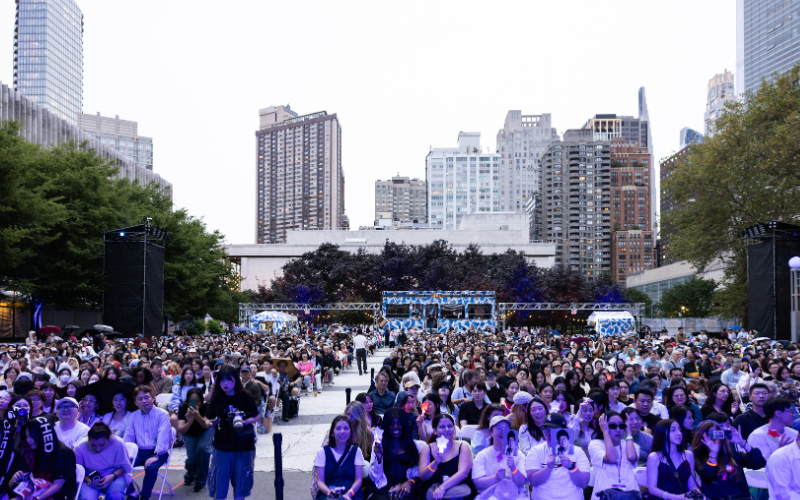
© Korean Cultural Center New York
If you come expecting K-pop, this is not that kind of evening. Korea produces far more than idol groups; it is home to musicians whose work relies on storytelling, introspection, and emotional sincerity. K-Music Night highlights these artists—those who represent the full breadth of the Korean musical landscape.
John Park opens the series with a rich blend of soul and R&B, his deep voice carrying both Korean and American influences. His performance illustrates how a Korean-American identity shapes a musical language at once familiar and distinct, setting the tone for an intimate, emotional evening rooted in personal narrative.
Jeena brings a contrasting energy with her guitar-driven indie rock sound—expressive and shaped by her experiences between Seoul and Los Angeles. Her vulnerable storytelling and soaring vocals promise to touch the audience, reflecting how Korean-American artists carve out new spaces in contemporary music.
OKDAL offers a moment of warmth and gentleness. Their acoustic melodies and accessible lyrics create an atmosphere of quiet companionship—music that feels more like a conversation than a performance. Their presence highlights the emotional depth that makes them beloved figures in the Korean indie scene.
Yozoh adds a literary dimension to the evening. Known for her introspective writing and delicate voice, she brings a contemplative mood inviting listeners to slow down and simply feel. Her ability to navigate between music and literature imparts a unique texture—a blend of narrative, memory, and everyday life.
The expected atmosphere reflects what makes New York a true cultural crossroads. The audience is bound to be diverse—Koreans, Americans, Europeans, students, musicians, and people simply curious about Korean culture. Reactions naturally alternate between quiet attention during softer moments and enthusiastic applause during energetic passages. The openness of the audience stands out; many are discovering these artists for the first time, establishing an immediate connection.
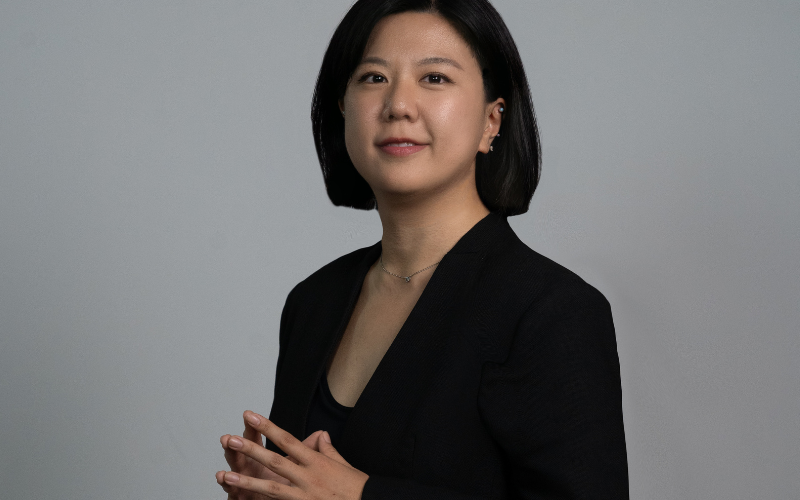
For the Korean Cultural Center New York—interviewed via email on August 1, represented by Inji Jung, Performing Arts & Communications Director—K-Music Night reflects a long-term effort to present Korean cultural identity in all its diversity. While K-pop dominates global attention, it represents only one part of the Korean musical landscape. KCCNY aims to highlight artists shaping indie, folk, soul, and experimental scenes—musicians who rarely appear in international media but deeply enrich the Korean cultural ecosystem.
By bringing these artists to New York, KCCNY strengthens cultural exchange and provides Korean musicians the opportunity to reach new audiences. It is a form of cultural diplomacy built not on spectacle, but on authenticity and artistic sincerity.
1. What message does the Korean Cultural Center New York wish to convey through the 2026 edition of K-Music Night?
Inji Jung: “Having grown up in Korea, I personally witnessed Korean music enter the global market and saw how K-pop idol music evolved over time. In recent years, Korean popular culture—especially idol-centered K-pop—has been enthusiastically embraced worldwide. However, I believe the Korean musical landscape is far broader and richer than any single genre or image can represent. Today, when people think of K-pop, they often associate it with idol music, synchronized choreography, and spectacular performances. While these elements are important, Korean music has been shaped by many genres and generations of artists: indie, folk, R&B, rock, and more. What I wish to showcase through K-Music Night is precisely this diversity—what we call 'Beyond K-pop.' Korea has a wide variety of artists with exceptional musicality and distinct identities. I see this edition as an opportunity to introduce the New York audience to the charm, depth, and diversity of Korean music beyond the image associated with K-pop.”
2. How were the artists for the 2026 lineup selected, and what qualities were you looking for?
Inji Jung: “The most important criterion in selecting artists was offering the New York audience a fresh experience of Korean music. This year's lineup brings together artists with very distinct musical colors and backgrounds. OKDAL and Yozoh represent the Korean indie scene, having created music across generations that brings comfort and resonance to many listeners. I found it particularly interesting how delicately their music captures the anxiety, solitude, and social alienation felt by younger generations. OKDAL is known for warm, comforting music addressing daily worries with gentle lyrics. Yozoh is not only a singer-songwriter but an artist with a strong literary sensibility who has worked as a writer and managed a bookstore. John Park and Jeena have lived in both Korean and American cultures, giving them strong potential to connect with New York audiences. Furthermore, all participating artists are singer-songwriters who express their own stories and emotions. Through English subtitles and translations, we hope the New York public can fully feel the meaning behind their stories across R&B, indie rock, and indie folk.”
3. What do you hope the New York audience discovers through the contrast of musical styles presented this year?
Inji Jung: “When discussing music, genre is often used for categorization, but I believe what matters most is its capacity to touch people emotionally. Dividing music by genre helps us understand it, but regardless of style, good music possesses the power to move people and create empathy that transcends language and cultural barriers. This is especially true for singer-songwriters whose music carries personal stories and emotions. This year's artists express their experiences, thoughts, and perspectives through meaningful lyrics. We hope that with English subtitles and translations, the audience can connect with the stories behind the songs, even if they do not speak Korean.”
4. How has K-Music Night evolved over the years, and what makes the 2026 edition unique?
Inji Jung: “Presented every summer since 2022 in collaboration with Lincoln Center, K-Music Night has established itself as an essential summer event highlighting Korean music, receiving enthusiastic responses from the local public. The series previously featured renowned Korean artists across various genres—such as Jannabi, TOUCHED, Kim Changwan Band, Crying Nut, and Say Sue Me—at Damrosch Park, an outdoor venue holding about 2,500 people. One major difference for the 2026 edition is that we are hosting our own concert within the Korean Cultural Center itself. The more intimate venue allows the audience to be closer to the artists and experience their stories more directly. This year, over 7,000 people applied to attend K-Music Night. Because our hall has limited capacity, we implemented a lottery system to ensure fair access. I view K-Music Night as far more than a simple concert; it serves as a bridge connecting New York to the diverse realm of Korean music.”
5. How does K-Music Night fit into the Center's broader mission of promoting Korean culture in the United States?
Inji Jung: “The Korean Cultural Center is an institution that goes beyond presenting popular culture; it offers visitors various aspects of Korean culture, including traditional culture, crafts, and visual arts. For many people, their first contact with Korean culture often happens through accessible content like music or cinema. In this sense, K-Music Night serves as a gateway, allowing more people to connect with Korean culture through a familiar medium. Music is a natural entry point for younger generations, and through the energetic, contemporary atmosphere of this year's performance, we hope to offer a new experience to young audiences. Ultimately, we hope the Korean Cultural Center becomes a must-visit destination in New York, with K-Music Night acting as a vital bridge connecting the public to the broader world of Korean arts and tradition.”