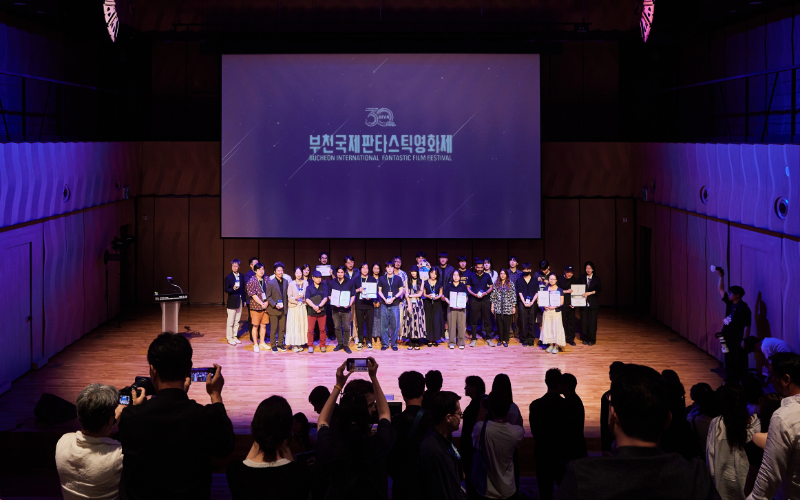
Reaching its 30th anniversary, the Bucheon International Fantastic Film Festival (BIFAN) has shaped the Asian genre scene like no other, fostering young talent and pushing the boundaries of fantasy, sci-fi, and horror. The Bucheon International Fantastic Film Festival (BIFAN) turns 30 this year, and reaching such a milestone feels almost strange when you think about how much the festival has shaped the genre scene in Asia. Three decades of filmmakers, strange ideas, midnight screenings, and moments that only a festival like BIFAN can create. To look back at this anniversary edition, I spoke with programmer Thomas Nam during a digital interview on July 12, 2026 — a simple online call that quickly turned into a genuine conversation.
What struck me first was how Thomas talks about the festival. There’s no grand speech, no rehearsed lines — just someone who has lived BIFAN from the inside and knows what makes it special. He speaks about the programmers traveling from one festival to another, about young filmmakers finding their first support here, and about how the fantastic genre keeps reinventing itself. Even through a screen, you can feel the passion and the calm confidence of someone who has watched the festival grow year after year. Our conversation wasn’t about numbers or strategy. It was about people, films, and the energy that keeps BIFAN moving forward. Here’s what Thomas shared.
1. Could you briefly introduce your role at BIFAN and the festival’s mission?
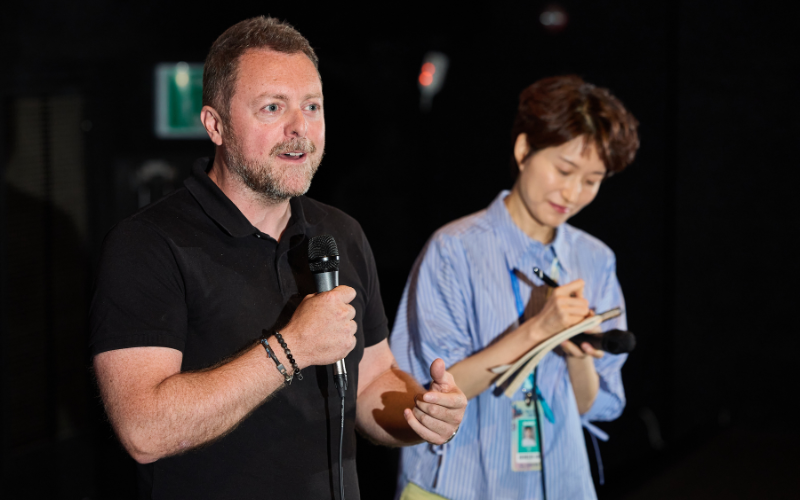
Thomas Nam: “I’m a programmer at BIFAN, responsible for English‑language territories and Latin America. I also oversee the NAFF Project Market and the Fantastic Film School Global Course. Through these roles, I help shape the festival’s identity and support emerging voices in genre cinema.”
2. What makes BIFAN unique compared to other international film festivals?
Thomas Nam: “BIFAN is dedicated almost entirely to fantastic genre films — horror, suspense‑thrillers, sci‑fi, black comedies, and more. Around 95% of our programming falls within these categories. We also showcase XR content and AI‑based films, which gives the festival a forward‑looking edge.”
3. How do you select films and projects for the festival and NAFF?
Thomas Nam: “We receive submissions through Eventival, but we also travel to major film markets and genre festivals such as Fantastic Fest, Sitges, Ventana Sur, Tokyo, Berlin, SXSW, Hong Kong, and Cannes. Sales agencies send us screeners as well. For NAFF, we review submissions with our preliminary jury and make the final selections. I also travel and select one project each from partner programs like Sitges FanPitch, Ventana Sur Fantastic!, HAF, TCCF, and the Taipei Film Academy.”
© BIFAN
4. What trends do you currently observe in Asian genre cinema?
Thomas Nam: “Horror is definitely on the rise. Many Asian countries have experienced a renaissance of the genre in recent years, and I expect it to continue. Remakes of Korean films are also gaining traction — we’ve seen new versions from Indonesia and Taiwan. Vietnam is developing several projects inspired by this trend.”
5. Could you share a memorable moment or achievement from recent editions of BIFAN?
Thomas Nam: “This year’s 30th anniversary brought some of the most notable guests I’ve seen. NAFF projects have also reached major festivals worldwide:
- The Tiger Stripes — Cannes Critics’ Week Grand Jury Prize
- In My Mother’s Skin — Sundance Midnight
- Marry My Dead Body — Closing film at Golden Horse Film Festival
- The Tenants — Best Director & FIPRESCI Award at Singapore International Film Festival
And Taiwanese hits like The Tag‑Along and Incantation became major box‑office successes.”
6. How does BIFAN support emerging filmmakers and international collaborations?
Thomas Nam: “The NAFF Project Market provides grants, post‑production support, and other in‑kind assistance. The Fantastic Film School Global Course is a six‑week program (four online, two on‑site) that brings together 30 young filmmakers for training in genre filmmaking, including AI tools and mentorship from leading professionals. Many participants later bring their projects to NAFF — In My Mother’s Skin is a great example.”
7. What challenges does the festival face today, and how do you address them?
Thomas Nam: “Budget is the biggest challenge. The weak Korean won against the US dollar and euro makes it harder to invite mentors and international projects. We work closely with government agencies and highlight the cultural importance of genre cinema. Countries like France, Taiwan, Japan, Singapore, Indonesia, and Hong Kong have been strong supporters.”
8. What future directions or projects can we expect from BIFAN and NAFF?
Thomas Nam: “We’ll continue seeking outstanding genre films and promoting independent Korean works internationally. NAFF will keep discovering and supporting new Asian genre filmmakers through its programs.”