K‑EXPO at the Palais des Congrès: A Dynamic Showcase of Korean Culture and Creative Energy
K‑EXPO at the Palais des Congrès didn’t feel like a formal exhibition — not even for a moment. It felt more like stepping into a small, temporary neighborhood of Seoul that had somehow landed in the middle of Paris. From the entrance, you could hear music drifting from different corners of the hall, people chatting in three languages at once, and the constant movement of visitors discovering something new every few steps. Nothing about the atmosphere was stiff or distant. It was warm, curious, and surprisingly familiar.
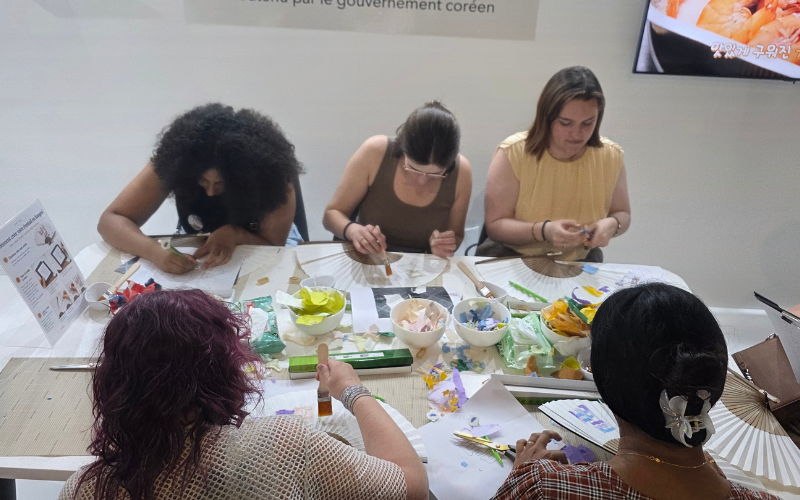
The arrival of Minister Choi Hwi‑young, Korea’s Minister of Culture, Sports and Tourism, added an official moment to the day, but it didn’t freeze the room the way official visits sometimes do. What struck me most was how naturally he blended into the flow of the event. He didn’t rush through the stands. He stopped, asked questions, smiled at visitors, and took the time to look closely at what creators were presenting. Watching him walk through the hall made the event feel both important and accessible — a rare combination. But the real heart of K‑EXPO wasn’t in the protocol. It was in the details, the small scenes happening everywhere, the ones you only notice when you take the time to look around. Children trying traditional crafts for the first time, concentrating so hard their tongues stuck out slightly. Students filming short videos for social media, laughing when they had to redo a take. Fans gathering around K‑Pop screens, singing along quietly or recording a few seconds to send to friends. Exhibitors proudly explaining the stories behind their work, sometimes with a shy smile, sometimes with the confidence of someone who has told this story a hundred times.
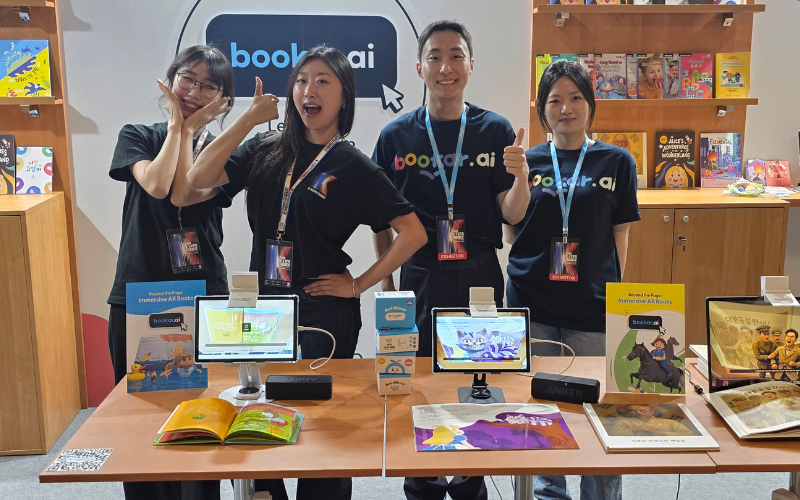
Some stands focused on tradition — handmade paper, calligraphy, ceramics, regional crafts. You could see people slow down, take their time, touch the materials, ask questions. A few meters away, the mood shifted completely: webtoons, gaming, digital art, fashion, tech. The contrast didn’t feel forced. It created a rhythm that kept visitors moving, curious and engaged. You could go from a centuries‑old craft to a futuristic digital project in less than ten seconds. What stayed with me the most was the warmth of the exchanges. French visitors shared how they discovered Korea — through dramas, music, food, or sometimes a trip that changed everything. Korean creators talked about their excitement to meet a European audience face‑to‑face, to see real reactions, to hear real questions. These conversations were simple, spontaneous, and genuine. They gave the event a human depth that no program or official speech could ever plan.
There was also something refreshing about the diversity of the crowd. Families with young children, teenagers in K‑Pop outfits, older visitors curious about Korean crafts, professionals from the cultural sector, students practicing their Korean with exhibitors who seemed delighted by the effort. Everyone moved at their own pace, but the atmosphere remained fluid, open, and welcoming.
Even the sound of the Expo had its own identity: the clicking of cameras, the soft music from different stands, the mix of French, English and Korean floating in the air, and the occasional burst of laughter when someone tried something new — a snack, a dance move, a brushstroke of calligraphy. K‑EXPO wasn’t just a showcase of Korean culture. It was a meeting point. A place where culture felt alive, where people connected naturally, where curiosity led to conversations, and where the creative energy of Korea found a genuine echo in Paris. With its mix of official presence and everyday moments, the event showed how strong and meaningful the cultural link between both countries has become — not through big declarations, but through lived experiences.
In the end, what made K‑EXPO memorable wasn’t a single highlight. It was the overall feeling: a lively, human, warm day where Korea didn’t need to be explained — it was simply shared.