Luxembourg–Korea: A Story Finally Told Without Intermediaries
I spend my life watching how stories take shape. As an author and a resident of Luxembourg, I look for the moment separate threads decide to meet. Right now, between my home country and South Korea, we are living exactly that. To document this transition, I visited the historical landmarks in Luxembourg-City that seal this brotherhood. It isn’t just about diplomatic ink on paper. It’s a mutual emancipation.
This friendship isn't just about streaming platforms or new restaurants. That would miss the point. Popular culture opens doors, sure, but it’s not where the heart beats. This connection isn’t something you binge-watch. It’s something you build—slowly, with real effort.
The shift was quiet at first. In 2022, the King Sejong Institute (KSI) started teaching Korean right here. I’m fascinated by human behavior, and to me, that was the signal: our little country of 600,000 people actually putting in the work to learn the words of another. For way too long, this bond lived in the shadow of Brussels. A strange glitch in our history. How could two nations tied by the blood of volunteers still speak through a third capital? It was time to go back to the essence.
In 1951, eighty-five men left our hills for the Korean peninsula. They weren’t a professional army. They were an army of conviction. Corporal Roger Stutz and Sergeant Robert Mores never came home. They fell on distant soil, and their sacrifice became a brotherhood that simply ignores geography. Between brothers, there is no debt. Only protection. Luxembourg helped because one free nation must stand with another. Today, that solidarity is carved into our landscape—from the Kanounenhiwwel to the Museum in Diekirch, and under the gaze of the Gëlle Fra.
History didn’t freeze. In 2023, it came alive when Xavier Bettel travelled to Korea with Jean-Michel Clément. Seeing a veteran, over ninety years old, welcomed as a brother on the land he defended... that was the perfect prelude to our new embassy.
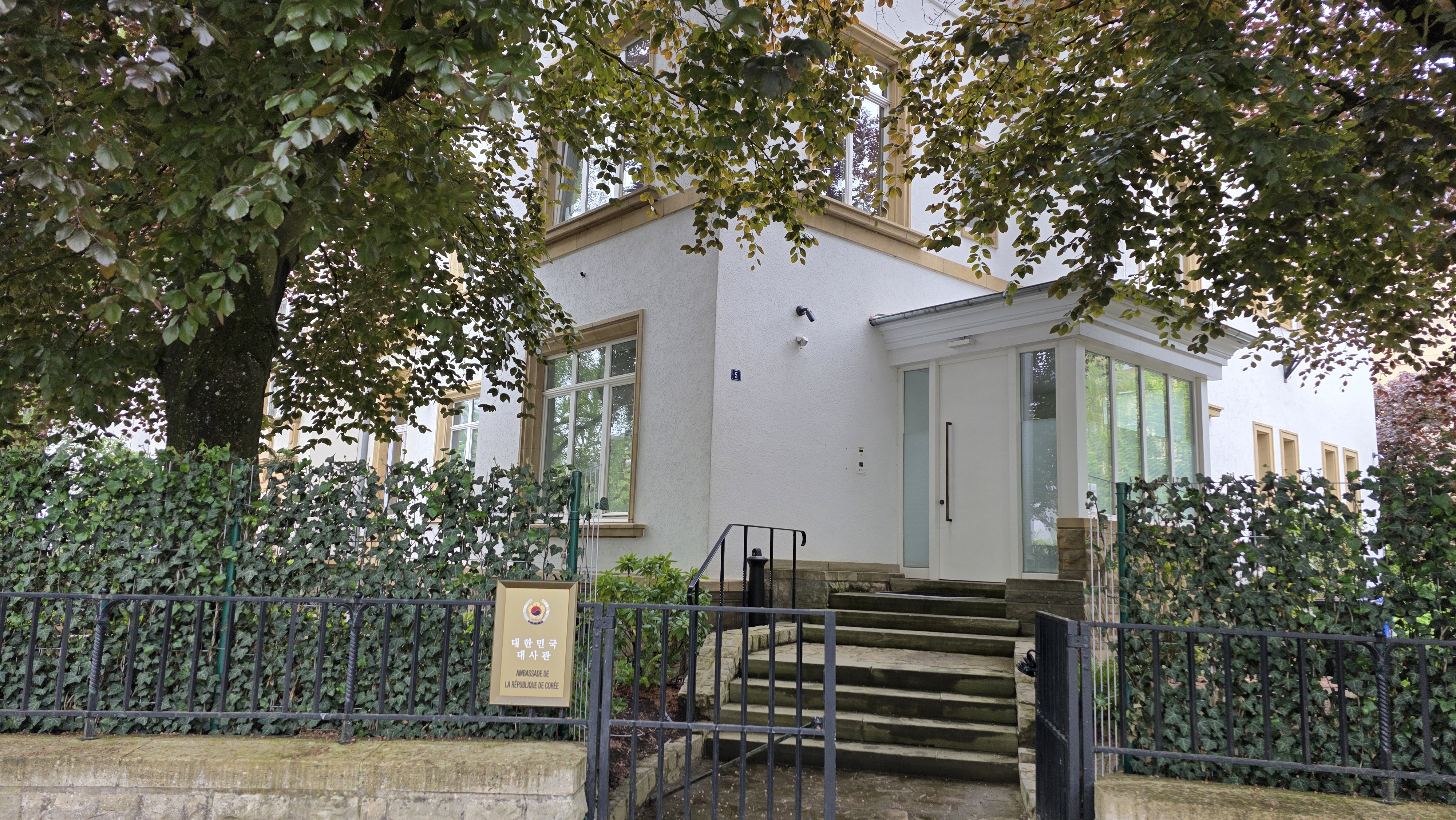
Now, the story moves faster. Under President Lee Jae-myung, Seoul wants a diplomacy that is more human and direct. You can see this change with Ambassador Yoon Yeon-jean. By opening a real embassy at Place Winston Churchill, South Korea is sending a clear message: the "Brussels era" is over. We are finally talking face-to-face.
There is a significant timing here. May 14th is actually the Ambassador's last day in Luxembourg. It’s a major turning point. Since I’m officially starting as an Honorary Reporter on May 12th, I’m arriving just as this chapter closes. It makes my mission feel even more important—being there to capture this transition and keep the connection alive between our two countries.
I see an incredible field for storytelling here. Space, finance, technology—we are equals now. My role, shaped by my life as an author, is to document this. I want to move past the "K-Wave" clichés and show the iron will of two nations that share the same spirit.