The Korea the World Thinks It Knows... and the One It Never Sees
In Europe, Korea is often viewed through an image that tells only a small part of what it truly is. Screens have manufactured a version of the country that has taken root in people's minds: clean streets, cute cafes, romantic stories where everything seems perfectly arranged, and artists dancing with almost unreal precision. A Korea that shines, that attracts, that makes people dream—easy to love because it is simple to consume. Gradually, this image has replaced reality for many.
European conversations revolve around K-dramas, K-pop idols, trends, choreography, looks, and themed cafes. People talk about what amuses, entertains, and brings a smile. They share what is pretty, colorful, and inspires travel. But Korea does not live solely in online images. It is not limited to what is photogenic, nor is it summed up by what goes viral. Behind this facade lies a real country, with people, traditions, values, contradictions, challenges, moments of joy, and moments of doubt. Many Koreans living in Europe feel this disconnect. They are proud to see their culture admired, respected, and celebrated. They know their country inspires, intrigues, and attracts. But they also notice that this admiration is often based on a very partial view. Some explain that it hurts a bit to see their country reduced to a few popular elements. Korea is frequently discussed for its series, artists, and trends, but rarely for its history, traditions, values, or the daily lives of its people. This reduction creates a distance between what the world thinks it knows and what Korea truly is.
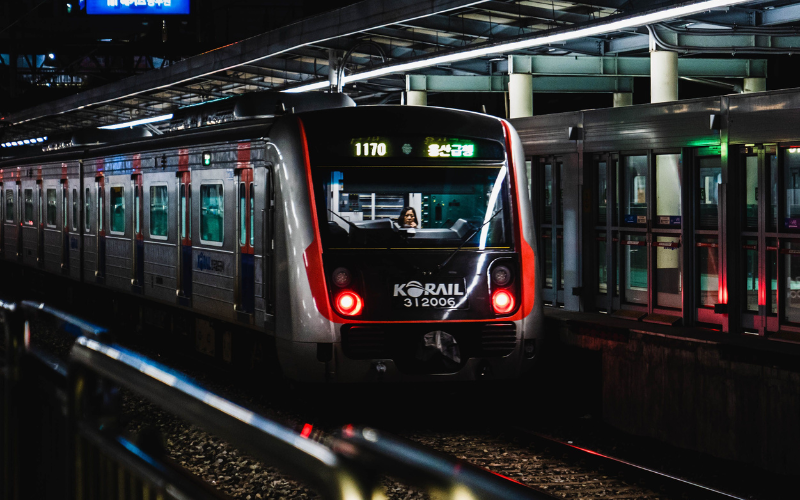
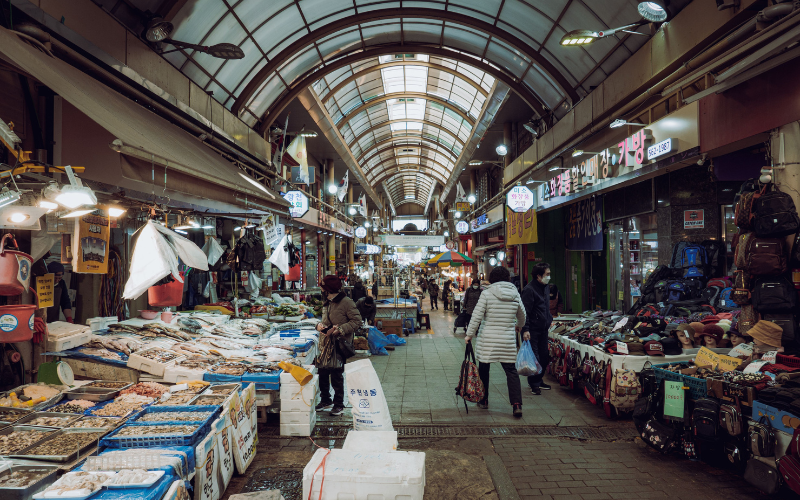
Korean culture is not found only in what is exported. It lives in simple gestures, in the way people bow, in the respect shown to elders, in shared meals, traditional festivals, temples, markets, and everyday conversations. It is also found in modern challenges: academic pressure, work pace, social changes, and identity issues. A culture that moves fast—sometimes too fast—yet remains deeply rooted in its traditions. A culture that does not strive to be perfect, but to remain true to itself.
This human dimension is often absent from European representations. Social media showcases what is aesthetic, attractive, and dreamy. Platforms broadcast what entertains. Travel brochures highlight what impresses. But Korea cannot be reduced to what is photogenic. It exists in lesser-known streets, in neighborhoods where traditions persist, in villages where time seems to slow down, and in families carrying on rituals passed down for generations. It exists in contrasts: extreme modernity and ancient traditions, speed and patience, ambition and fatigue, technology and spirituality. Something is missing in the way Korea is portrayed abroad. A space to show what does not shine but matters. A space to talk about the Korea that does not dance, sing, or star in dramas, but simply lives. A space to understand that behind the popular images lies a real country, with people who feel, hope, worry, work, love, and remember. A country that does not ask to be perfect, but to be seen for what it is.
The European fascination with Korean culture is a strength. It builds bridges, exchanges, and encounters. It opens doors. But it must not become a cage that locks Korea into a single image. It is important to look beyond screens, move past trends, and take an interest in what does not necessarily go viral. Korea deserves to be discovered in all its depth, diversity, and truth. Understanding a country means accepting that it is not solely what we see. It is recognizing that every culture possesses an invisible, intimate part—a part that is not easily shown. Korea possesses this part, and it deserves to be told. Not to correct an image, but to complete a perception. To offer a fairer, more human, and more complete vision. Korea is not just a cultural phenomenon. It is a living country. And it is this Korea that deserves to be seen. Even for us, Honorary Reporters, it is not enough to share what we think the public will want to like. Our role is to show Korea in all its global beauty, not just what the world wants to see.