UNESCO World Heritage Committee Session in Busan
The 48th session of the UNESCO World Heritage Committee, held in Busan, did much more than simply enrich the World Heritage List. It served as a powerful reminder that heritage preservation is fundamentally a human endeavor, driven by decisions, responsibilities, and a forward-looking perspective. Even from a distance, one could feel the significance of this gathering, where delegates from nearly 200 countries debated what humanity wishes to protect and pass on to future generations.
This session was highlighted by the inscription of 25 new sites. Behind this number lie stories, memories, and communities. The Normandy Landing Beaches finally joined the list, serving as a silent tribute to those who crossed those shores in 1944. Mount Olympos, a place of myths and exceptional landscapes, is now recognized as a mixed site, encompassing both cultural and natural significance. The ancient capitals of Asuka-Fujiwara in Japan recall the origins of the Japanese state, while the industrial porcelain sites of Jingdezhen in China bear witness to centuries-old craftsmanship passed down through generations.
Three countries celebrated their very first inscriptions: Comoros, São Tomé and Príncipe, and South Sudan. For them, this recognition is far more than symbolic. It represents newfound visibility, a celebration of their heritage, and often a beacon of hope for protection in vulnerable contexts.
The session also shed light on more challenging situations. Three sites were inscribed under the emergency procedure due to severe threats stemming from conflicts or instability. Their simultaneous addition to the List of World Heritage in Danger serves as a stark reminder that heritage preservation is never guaranteed. It relies on peace, stability, and the capacity of communities to protect the ties that bind them to their history.
For South Korea, hosting this session was a momentous occasion. Busan established itself as a hub for international dialogue, and Korea presented an extension to its Getbol, Korean Tidal Flats site—an essential ecosystem supporting over 200 species of migratory birds. This understated yet vital site demonstrates that heritage is not solely composed of spectacular monuments; it also includes natural landscapes that play a critical role in ecological balance.
Another striking milestone was the adoption of the Busan Declaration, which introduces a new strategic pillar: collaboration. This simple word encapsulates an essential reality. World Heritage belongs not to a single country, but to all of us. Protecting it requires alliances, exchanges, and a shared vision in the face of climate change, conflicts, and tourism pressures.
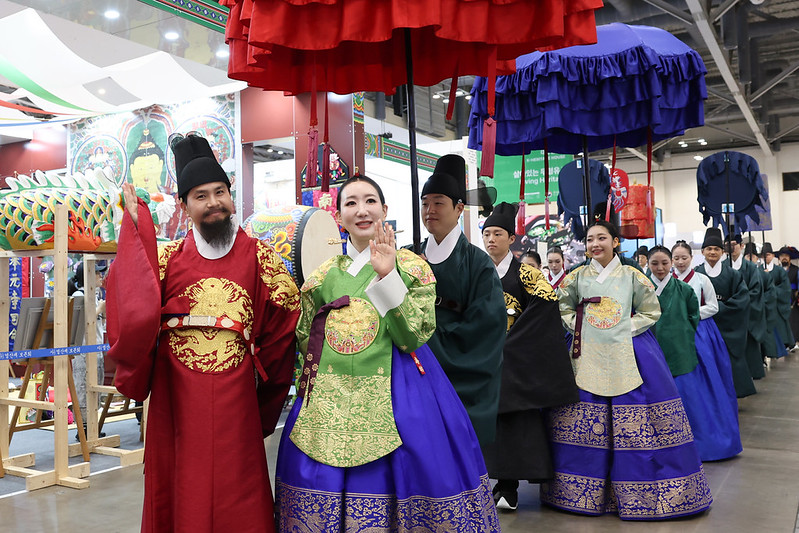
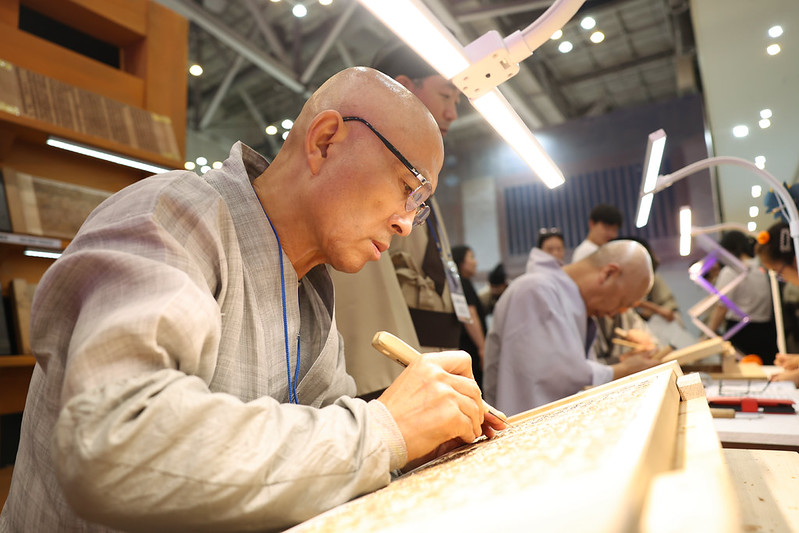
Alongside the official meetings, the K-Heritage House pavilion attracted over 120,000 visitors. This figure demonstrates that heritage is not just a matter for specialists; it sparks public curiosity, engages people, and builds connections. Korean culture was presented with both sobriety and warmth, allowing visitors to discover traditions, objects, and narratives that form the core of the country's identity.
The Busan session proved that world heritage is a collective project. It is not only about safeguarding sites, but about preserving societies' capacity to remember, understand, and transmit. The decisions made this year reflect a shared commitment to defending what tells the story of humanity in all its diversity.
Even from afar, one understands that this moment transcended borders. Busan welcomed the world, and the world responded by affirming a simple truth: this fragile and precious heritage deserves to be protected together.