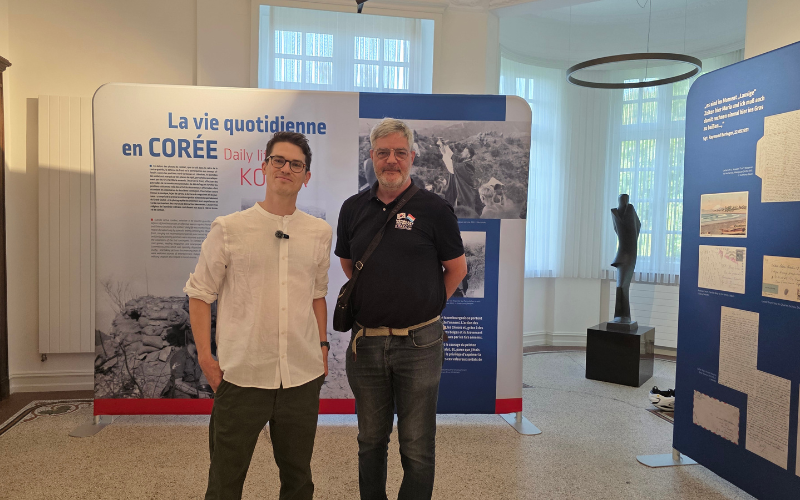
Living in Luxembourg, I stumbled by chance upon an exhibition dedicated to the Luxembourgish volunteers who left to fight in the Korean War. It was impossible for me not to visit: this topic is rare, almost forgotten, and yet deeply intertwined with our shared history. I went to visit the exhibition at Villa Pauly, a landmark steeped in memory, and had the privilege of interviewing the director and curator of the National Museum of Military History (MNHM), Benoît Niederkorn, on July 24.
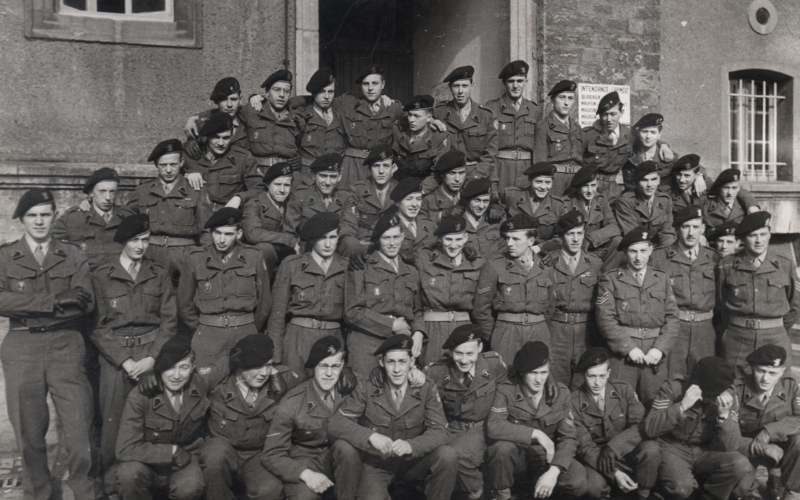
The exhibition tells the journey of 85 Luxembourgers who, in the early 1950s, chose to go defend a country they did not know. Through letters from the front, archives, family photographs, and artifacts brought back from Korea, visitors discover their motivations, their doubts, their commitment, and the way their stories fit into the broader relations between Luxembourg and the Republic of Korea. Today, only one of these veterans remains alive.
Jason Edwards: Could you briefly present the exhibition and what you wish to convey to the public through this spotlight on Luxembourgish volunteers in Korea?
Benoît Niederkorn: “I am the director and curator of the National Museum of Military History. This temporary and traveling exhibition dedicated to the Korean War was launched in 2023 at the museum in Diekirch. Our goal was to tell the story of a conflict that is often forgotten, not only in Luxembourg but around the world, caught between World War II and the Vietnam War. We wanted to explain how the war broke out, who held responsibility, the role of the United Nations, and Luxembourg’s commitment. The second part of the exhibition focuses on the 85 Luxembourgish volunteers: their motivations, their journeys, and the reasons that led them to fight in a distant country they knew nothing about.”
Why did you choose Villa Pauly, a site of memory deeply tied to World War II, to host an exhibition on the Korean War? What symbolic significance does this hold?
Benoît Niederkorn: “Villa Pauly is an iconic place of memory in Luxembourg, primarily linked to World War II. The Service for National Remembrance, with whom we work closely, deemed this venue particularly relevant. Located in the heart of the capital, near the Gëlle Fra—another major monument of remembrance—Villa Pauly carries strong symbolic weight. Luxembourgish Korean War veterans used to participate in national commemorations carrying their flag, affirming their status as combat veterans. Hosting the exhibition here bridges these different memories and serves as a reminder that the Luxembourgish Korean War volunteers are an integral part of our national history.”
Who were the Luxembourgish volunteers who fought in the Korean War, and which aspects of their journey did you want to highlight in this exhibition?
Benoît Niederkorn: “We conducted extensive scientific research to trace the journeys of all 85 Luxembourgish volunteers. We consulted archives and located 70 families worldwide, allowing us to gather letters, photos, personal documents, and occasionally conduct interviews. The objective was to tell the Korean War through their personal experiences: their motivations, testimonies, wartime letters, and the memories passed down by their loved ones.”
How does this exhibition contribute to strengthening the understanding of historical and diplomatic relations between Luxembourg and Korea?
Benoît Niederkorn: “This exhibition highlights a major point of commemoration between the two nations. Originally, it was the veterans themselves who sought to build ties with Korea. Diplomatic and economic relations followed afterwards. Today, we are in a transition phase: only one veteran remains with us. It now falls upon museums and institutions, both in Luxembourg and Korea, to carry forward this work of memory and pass down the history of these volunteers and the Korean War to future generations.”
Did you collaborate with Korean institutions or the volunteers' families during the preparation of this exhibition? If so, how did that collaboration go?
Benoît Niederkorn: “Our greatest success was the research conducted with the families. Out of the 85 volunteers, we located 70 families with whom we were able to share photo albums, documents, stories, and conduct recorded interviews. On the Korean side, collaboration was equally fruitful. The War Memorial of Korea in Seoul provided numerous artifacts and historical documents that we were able to feature prominently in the exhibition.”
What message would you like to convey to visitors regarding the memory of these Luxembourgish volunteers and their role in a conflict that remains largely unfamiliar here?
Benoît Niederkorn: “The essential message is to understand why these young Luxembourgers, born around the 1930s, volunteered to fight for a country they knew nothing about. Two of them lost their lives in Korea. Many had lived through the Nazi occupation of Luxembourg. They explained to us that they wanted to contribute to the liberation of another country enduring a similar tragedy. Their commitment was deeply tied to their own lived experience and their desire to defend freedom abroad.”
Is this exhibition part of a broader project of commemoration or cultural cooperation between Luxembourg and Korea? Do you foresee future initiatives?
Benoît Niederkorn: “Several initiatives have already been carried out alongside the exhibition’s curator, Elisabeth Einsweiler. We traveled to Korea to establish contacts with various partner institutions. We also organized a traveling exhibition at the War Memorial of Korea in Seoul and developed partnerships to share objects and archival documents, jointly honoring this shared history.”
룩셈부르크에 살면서 저는 한국전쟁에 참전했던 룩셈부르크 자원봉사자들을 조명하는 특별전에 우연히 발걸음을 멈추게 되었습니다. 이 전시는 룩셈부르크 내에서도 희귀하고 잊혀가는 주제이지만, 동시에 우리의 역사와 깊이 연결되어 있었기에 그냥 지나칠 수 없었습니다. 저는 기억의 장소인 빌라 파울리(Villa Pauly)를 방문하였고, 7월 24일 룩셈부르크 국립 군사역사박물관(MNHM)의 뷰노인 니더코른(Benoît Niederkorn) 관장 겸 큐레이터와 인터뷰를 진행할 수 있는 영광을 가졌습니다.
이번 전시는 1950년대 초 알지도 못하던 낯선 나라를 지키기 위해 떠났던 룩셈부르크인 85명의 여정을 담고 있습니다. 전선에서 보내온 편지, 기록물, 가족 사진, 한국에서 가져온 유물들을 통해 이들의 참전 동기, 고민, 헌신, 그리고 룩셈부르크와 대한민국 간 역사적 관계의 이면을 발견할 수 있습니다. 안타깝게도 이 85명의 참전용사 중 현재 생존해 계신 분은 단 한 분뿐입니다.
제이슨 에드워즈: 이번 전시와 룩셈부르크 한국전 참전 자원봉사자들을 조명함으로써 관객들에게 전달하고자 하는 바를 간단히 소개해 주시겠습니까?
브누아 니더코른: “저는 국립 군사역사박물관의 관장이자 큐레이터입니다. 한국전쟁을 다룬 이 순회 특별전은 2023년 디키르히 박물관에서 처음 시작되었습니다. 저희의 목표는 제2차 세계대전과 베트남 전쟁 사이에 껴 룩셈부르크는 물론 전 세계적으로도 잊혀진 전쟁의 이야기를 전하는 것이었습니다. 전쟁이 어떻게 발발했는지, 그 책임이 누구에게 있는지, 유엔의 역할과 룩셈부르크의 참전 결정을 알리고자 했습니다. 전시의 두 번째 부분은 85명의 룩셈부르크 자원봉사자들에게 초점을 맞춥니다. 그들의 동기, 여정, 그리고 알지 못했던 먼 나라를 위해 싸우러 떠난 이유를 조명합니다.”
제2차 세계대전의 기억이 깃든 장소인 빌라 파울리(Villa Pauly)를 한국전쟁 전시 장소로 선택한 이유는 무엇인가요? 어떤 상징성을 지니나요?
브누아 니더코른: “빌라 파울리는 주로 제2차 세계대전과 관련된 룩셈부르크의 상징적인 기억의 장소입니다. 저희와 긴밀히 협력하는 국가기념국은 이 장소가 매우 적합하다고 판단했습니다. 수도 한복판이자 또 다른 주요 추모 기념비인 겔레 프라(Gëlle Fra) 근처에 위치한 빌라 파울리는 강한 상징성을 가집니다. 과거 룩셈부르크의 한국전 참전용사들은 참전용사로서의 지위를 밝히며 자신들의 깃발을 들고 국가 추모 행사에 참석하곤 했습니다. 이곳에 전시를 개최함으로써 서로 다른 역사적 기억을 잇고, 한국전 참전용사들이 국사의 당당한 일원임을 일깨워줍니다.”
한국전쟁에 참전한 룩셈부르크 자원봉사자들은 누구였으며, 그들의 여정 중 어떤 점을 강조하고자 했습니까?
브누아 니더코른: “저희는 85명 참전용사 전체의 여정을 추적하기 위해 깊이 있는 학술 조사를 진행했습니다. 기록을 조사하고 전 세계에 흩어진 70개의 유가족 가구를 찾아내 편지, 사진, 개인 문서, 그리고 인터뷰를 수집할 수 있었습니다. 목표는 그들의 개인적인 경험, 참전 동기, 증언, 전선에서의 기록, 유족들이 기억하는 순간들을 통해 한국전쟁을 생생히 전달하는 것이었습니다.”
이번 전시는 룩셈부르크와 한국 간의 역사적 및 외교적 관계를 이해하는 데 어떻게 기여합니까?
브누아 니더코른: “이 전시는 양국 간 중요한 기념적 순간을 조명합니다. 원래는 참전용사들이 직접 한국과의 교류를 형성하기 시작했고, 이후 외교적·경제적 관계가 이어졌습니다. 지금은 과도기에 있습니다. 이제는 단 한 분의 참전용사만이 우리 곁에 계십니다. 이제는 룩셈부르크와 한국의 박물관 및 기관들이 이 기억의 작업을 이어받아 자원봉사자들의 역사와 한국전쟁의 기록을 미래 세대에 전달해야 할 때입니다.”
전시를 준비하면서 한국 기관이나 참전용사 유가족과 협력하셨나요? 어떠한 과정으로 진행되었습니까?
브누아 니더코른: “가장 큰 성과는 유가족을 대상으로 한 조사 작업이었습니다. 85명의 참전용사 중 70가구를 찾아내어 사진첩, 문서, 이야기를 공유받고 인터뷰를 진행할 수 있었습니다. 한국 측과의 협력도 매우 결실이 컸습니다. 서울 전쟁기념관에서 다수의 전시품과 사료를 제공해 주어 전시의 완성도를 크게 높일 수 있었습니다.”
여전히 생소하게 느껴지는 한국전쟁 참전용사들의 기억과 역할에 대해 방문객들에게 어떤 메시지를 전달하고 싶으신가요?
브누아 니더코른: “핵심 메시지는 1930년대 전후에 태어난 룩셈부르크의 젊은이들이 왜 알지도 못하던 나라를 위해 자원했는가를 이해하는 것입니다. 그중 두 분은 한국에서 목숨을 잃었습니다. 많은 이들이 룩셈부르크에서 나치의 강점을 직접 경험한 세대였습니다. 그들은 유사한 비극을 겪고 있는 다른 국가의 해방에 기여하고 싶었다고 말했습니다. 이들의 헌신은 자신들의 역사적 경험 및 국경을 넘어 자유를 수호하려는 의지와 깊이 연결되어 있습니다.”
이번 전시는 룩셈부르크와 한국 간의 더 넓은 기념 프로젝트나 문화 협력의 일환인가요? 향후 다른 계획이 있으신가요?
브누아 니더코른: “전시 큐레이터인 엘리자베스 아인스바일러(Elisabeth Einsweiler)와 함께 이미 여러 프로젝트를 성공적으로 진행했습니다. 한국을 직접 방문하여 여러 파트너 기관과 네트워크를 구축했습니다. 또한 서울 전쟁기념관에서 순회 전시를 개최했으며, 유물 및 기록물을 함께 공유하고 양국의 공동 역사를 다 함께 조명하기 위한 협력 관계를 발전시켜 나가고 있습니다.”
 Jason Edwards – Interviews